Greece by Yacht: The Ultimate Guide to Sailing the Aegean from Athens in 2026
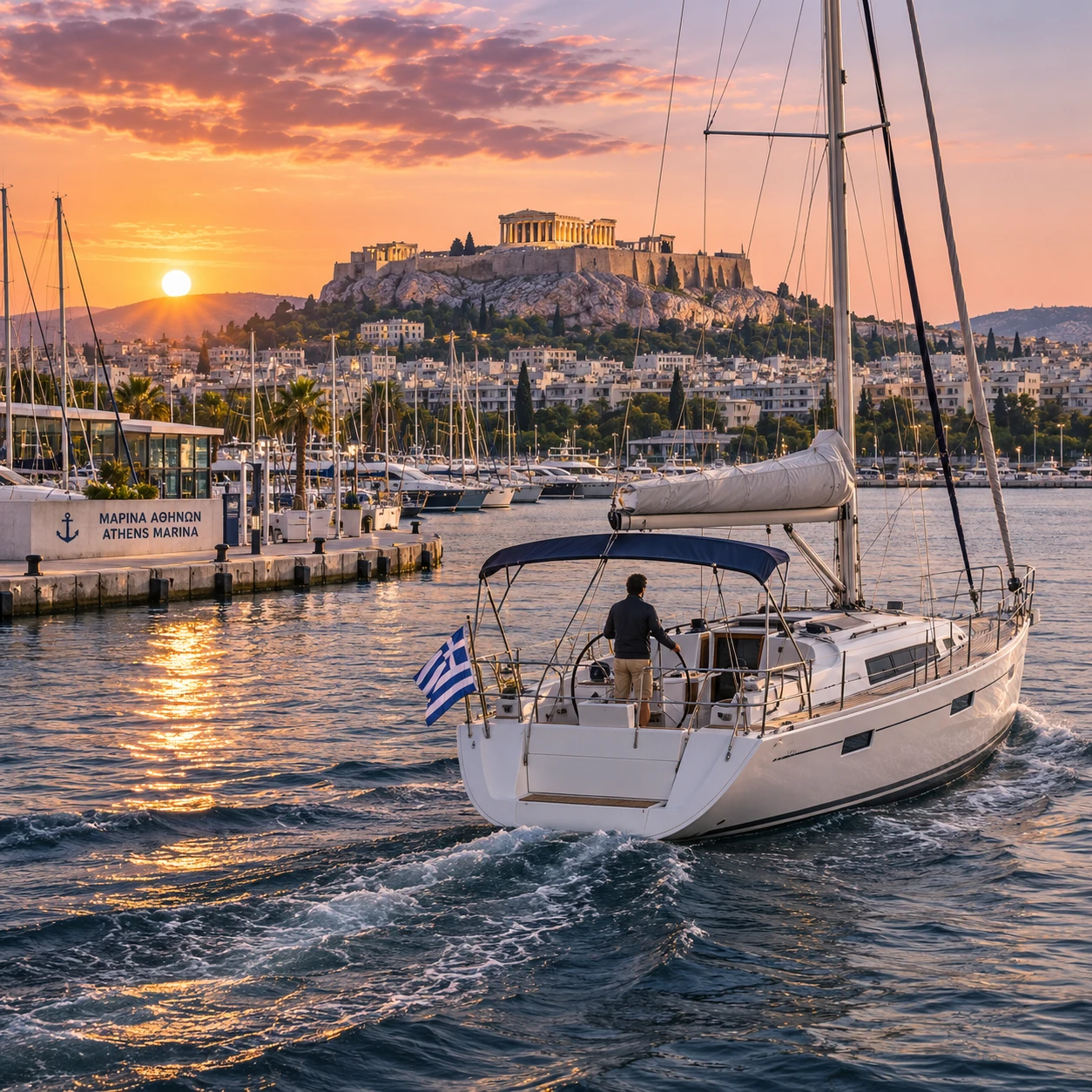
There's a moment, about twenty minutes after you leave Alimos Marina, when the Acropolis disappears behind the stern and all you can see ahead is open water. The Aegean stretches out in every direction, the light goes this particular shade of pale gold, and Athens — the traffic, the heat, the noise — simply stops existing. That moment is why I keep coming back.
Athens has become the best-value, best-connected embarkation point in the entire Mediterranean. Direct flights from London, Manchester, and Edinburgh make it straightforward for UK travellers. The charter fleet based out of Alimos and Flisvos is enormous, covering everything from 38-foot monohulls to fully crewed luxury vessels. And the island groups radiating out from the city give you meaningful options whatever time you have available — a long weekend, a week, or three weeks.
This guide covers everything you need to plan a sailing trip from Athens in 2026: choosing the right boat, plotting a realistic route, understanding what things actually cost, and handling the meltemi without getting caught out. Worth noting upfront — 2026 brings expanded berthing capacity at several key Cyclades marinas, along with updated Greek cruising permit requirements. Book early.
Why Sail the Aegean from Athens in 2026
The case for Athens as your base is straightforward. You have three distinct sailing theatres within easy reach. The Saronic Gulf sits on your doorstep — Aegina is barely two hours away under sail, Hydra perhaps five. The Cyclades open up for anyone with a week or more and a taste for postcard scenery and strong winds. The Argolic Gulf, to the southwest, remains genuinely underrated: beautiful anchorages, far fewer crowds than the Cyclades in peak season, and some of the best taverna stops in Greece.
Seasonality matters more in the Aegean than most sailors expect. May to June and September to October are the sweet spots — anchorages stay quieter, the meltemi (the prevailing northerly that builds through July and August) is more manageable, and you can still count on warm water and reliable sunshine. July and August are busier and windier, which some crews love. UK travellers booking for summer 2026 should expect high demand, because the combination of direct flights and a weaker pound making Greece competitive means charter berths fill fast. Six to nine months ahead is a sensible lead time for July or August.
The Island Groups at a Glance
- Saronic Gulf — Aegina, Poros, Hydra, Spetses. 20–50 nautical miles from Athens. Sheltered sailing, modest wind exposure, ideal for novices and mixed crews. Perfect for three to five nights.
- Cyclades — Kea, Kythnos, Syros, Mykonos, Paros, Naxos, Santorini and more. 50–200 nautical miles. Open water passages, stronger meltemi, stunning scenery. Best for experienced crews or skippered charters. A week minimum to do it justice.
- Argolic Gulf — Spetses, Ermioni, Porto Heli, Nafplio. 40–70 nautical miles. Quiet, green, excellent for families. Comparable to the Saronic in wind exposure.
- Dodecanese — Rhodes, Kos, Patmos, Symi. 200+ nautical miles from Athens. Requires a longer trip or a one-way charter. More complex logistics, but exceptional sailing.
Choosing the Right Yacht for Your Crew
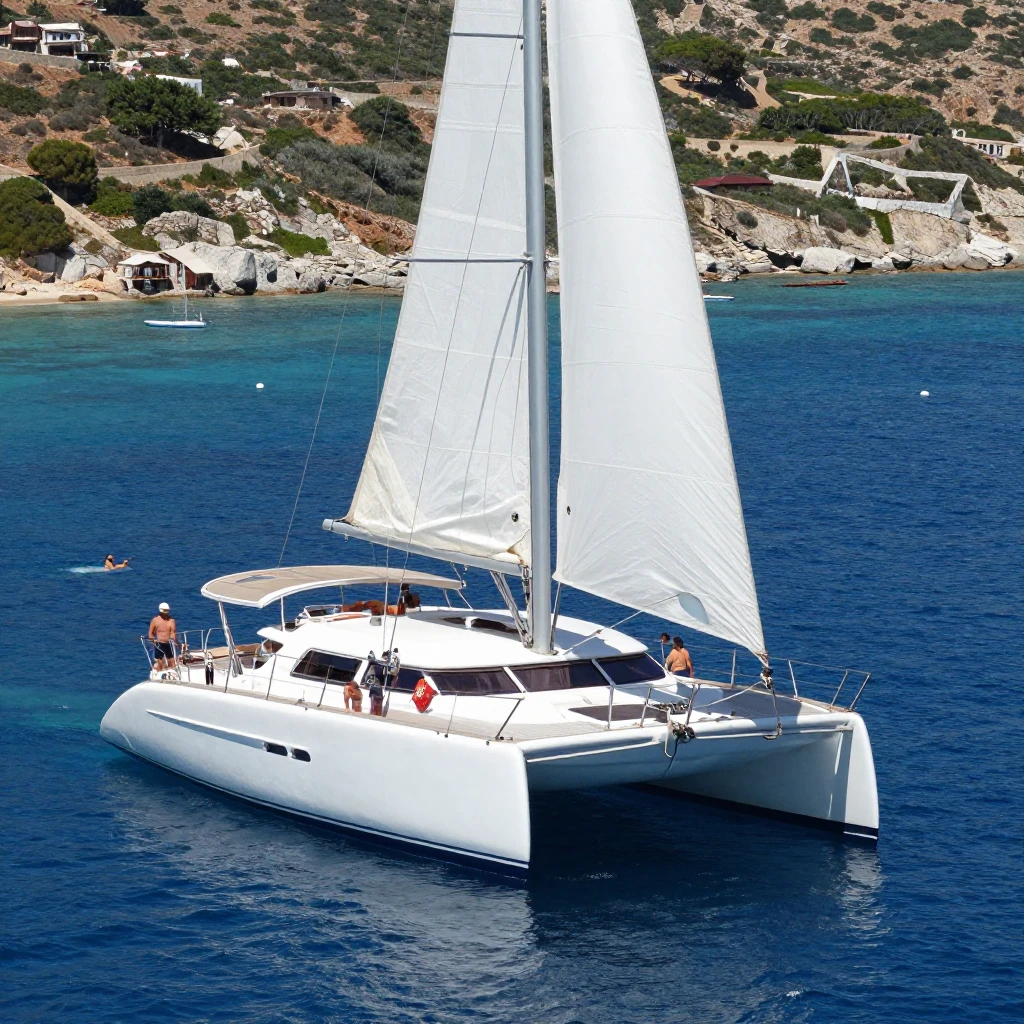
The first decision is monohull versus catamaran. Monohulls are cheaper, more fun to sail in strong winds, and easier to berth in tight marinas. Catamarans offer more living space, stability at anchor, and are harder to heel in a gust — which matters if anyone in your crew is nervous. For a group of four with mixed experience, a 42-foot monohull is a solid choice. For a family with young children or a group of eight wanting comfort, a catamaran earns its premium.
The second decision is how much crew support you want. A bareboat charter means you skipper the boat yourself — you'll need an RYA Day Skipper certificate or equivalent ICC. A skippered charter adds a professional skipper to the crew, which takes the navigation pressure off you and adds local knowledge you simply cannot buy. A fully crewed charter adds a cook, a deckhand, and typically more boat — this is where superyacht charter athens comes into its own, and it makes sense for celebrations, corporate groups, or multi-family holidays where everyone wants crew, a chef, and water toys without anyone having to worry about the anchor.
What Size Boat Do You Actually Need?
A common mistake is taking the charter company's 'sleeps X' figure at face value. A 40-foot boat that 'sleeps 8' has four double cabins — but those cabins share two heads, have very little personal storage, and leave the saloon table permanently occupied by someone's washing. For a comfortable week, budget one cabin per couple and one cabin per two solo travellers, and then check whether the boat has enough bathrooms for the headcount. Six people on a 45-foot monohull with three cabins and two heads is comfortable. Eight people on the same boat is a week-long exercise in patience.
Building an Itinerary That Fits Your Time
The planning principle that has never let me down: one to two hours of sailing per day is a holiday; four or five hours a day is a delivery run. The Aegean is full of people who planned ambitious routes and spent their trip staring at a chart rather than swimming. Build in margin. Leave the anchorage you love two hours later than you planned to. Take the side trip to the bay nobody mentioned.
The meltemi is the main variable. It's a thermal wind that builds from the north through summer — often 15–20 knots by noon, occasionally 30+ in August. Northbound legs against the meltemi are hard work and slow; plan to make northing early in the morning before it fills in, and sail south or south-east in the afternoon when it's running. Experienced crews handle it well. Novice crews often find it exhausting.
Seven Days in the Cyclades
A reliable loop out of Athens: leave Alimos, cross to Kea (5–6 hours, start early to beat the meltemi). Day two, Kythnos — a quieter island with a lovely bay at Kolona. Day three, push on to Syros, which has a proper marina and excellent eating ashore. Day four, Mykonos — plan an early start for the northbound leg, stay two nights to justify the crossing. Day six, Serifos, which has one of the most dramatic anchorages in the Cyclades. Day seven, round Cape Sounion with the temple of Poseidon above you, and back into Alimos by late afternoon. It works, it's varied, and it leaves room to linger wherever the crew falls in love.
The Saronic Gulf for Shorter Trips
For three to five nights, the Saronic is unbeatable. Aegina first — close enough for a late start, good for a first night on board. Then Poros, which has a narrow channel between island and mainland that feels like sailing through a village. Hydra on night three: no cars, beautiful stone harbour, excellent restaurants. Spetses for the last night before heading back. The sailing distances are forgiving, the winds mostly manageable, and every port has facilities and places to eat. It's also a good circuit for crews with mixed experience — the newer sailors get comfortable before anyone attempts something more demanding.
Day Charters and Short Escapes from the City
Not every trip to Athens allows for a week on the water. If you're spending a few days in the city, a day on the Aegean is one of the best ways to escape the summer heat. From Alimos or Piraeus you can reach Aegina in under two hours, Agistri even faster, or spend the morning swimming off a quiet cove along the Attica coast before heading back for dinner in the city. You can explore day charter options in Athens for half-day, sunset, and full-day trips with a skipper included — no licence required, no provisioning stress, just a boat and the sea. I've found day charters are also a good way to test whether your travel companion actually likes sailing before you commit both of you to a week offshore.
Booking, Budgets and Paperwork
Charter pricing works off a base fee for the boat per week, with almost everything else on top: fuel (budget €30–60 per day depending on motoring), harbour dues (€15–40 per night in a marina, free at anchor), provisioning, and an end-of-charter cleaning fee. You'll also leave a security deposit — typically €1,500–3,000 on a credit card hold — which is returned if the boat comes back undamaged. Cancellation terms vary; full insurance is usually available for a small addition to the base fee and is worth having.
UK-specific practicalities: flights to Athens from London take about three and a half hours, with British Airways, easyJet, and Ryanair all running direct services from multiple UK airports. Greece uses euros. Your travel insurance must explicitly cover sailing — many standard policies exclude it, so check the small print. For a bareboat charter you need an RYA Day Skipper certificate or an ICC (International Certificate of Competence), both of which you can gain through UK sailing schools. If you're ready to look at the fleet and lock in your dates, you can compare options for yacht rental athens and see what hulls are available for your preferred week — peak-season availability moves fast.
A Realistic Weekly Budget Per Person
- Bareboat (group of 6, 42ft monohull): boat cost split six ways plus expenses — roughly £600–900 per person for the week, including food, fuel, and harbour fees, excluding flights.
- Skippered charter (same boat plus skipper): add £150–250 per person for the skipper's fee and tip. Total around £800–1,150 per person.
- Fully crewed / superyacht: prices vary considerably by vessel size. Budget from £1,800 per person upward for a quality crewed experience, all-inclusive of food and transfers.
- Eating ashore: Greek tavernas remain excellent value — €15–25 per head for a proper meal with wine.
Sailing Well — Weather, Etiquette and Safety
Check the meltemi forecast every morning, not just at the start of the week. The POSEIDON forecast service and Windy are both good tools. If a 25-knot north-north-westerly is building, move your plans around it rather than fighting it on a northbound leg. Greek bays are mostly straightforward to anchor in — sand bottom, good holding, use plenty of scope. Water and power are finite on a yacht; everyone on board learns this fast, or the skipper has a difficult conversation by day three.
Respect for archaeological sites and swimming zones is not optional. Don't anchor on posidonia grass beds. Don't dive near archaeological sites without a permit. Keep noise down in anchorages after 10pm. On the quay: when mooring stern-to (the Greek norm), use your own passerelle rather than walking over another boat. At taverna quays, buy something — you're using their jetty. Tip crew in cash at the end of the trip; 5–10% of the charter fee is standard for a skippered boat and is genuinely appreciated.
Frequently Asked Questions
Do I need a licence? For a bareboat charter in Greece you need an RYA Day Skipper or ICC. Skippered and crewed charters need nothing from you.
Is a skipper worth it? Yes, if anyone in your group is less confident, if you're visiting the Cyclades for the first time, or if you'd rather spend the week relaxing than navigating. The cost is modest relative to the total trip.
What's the best month? For UK travellers, June and September hit the sweet spot — warm, less crowded, more manageable winds than August.
Can beginners sail the Cyclades? On a skippered charter, absolutely. On a bareboat, it's a stretch — the meltemi and open-water passages require genuine competence. Start with the Saronic if you're building experience.
How far in advance should I book for 2026? For July and August, six to nine months out. For May, June, or September, three to four months is usually enough — but the best boats go first.
Is seasickness a problem? In the Saronic, rarely. In the Cyclades with a meltemi running, some crew members will struggle. Cinnarizine (Stugeron) taken the night before and morning of departure helps considerably.
Your Aegean Summer Starts in Athens
The formula is simple, even if the planning takes some work. Match the boat to your crew's needs and confidence level. Match the route to the time you actually have, not the time you wish you had. Book early enough to get the hull you want on the dates that work. And then — critically — leave some days loose. The best moments of any sailing trip are the ones that weren't in the plan: the cove you spotted from half a mile out, the harbour you stayed an extra night in because nobody wanted to leave, the swim stop that turned into a two-hour lunch.
The Aegean in 2026 is waiting. Compare the fleet, pick your dates, and go.